
3.5 Years In Recap
Well, it’s been a while.
Just when you thought the world couldn’t descend in to a more farcical state, I’ve decided to blog again.
There are a few reasons why I wanted to ‘check in’ after 4 years AWOL.
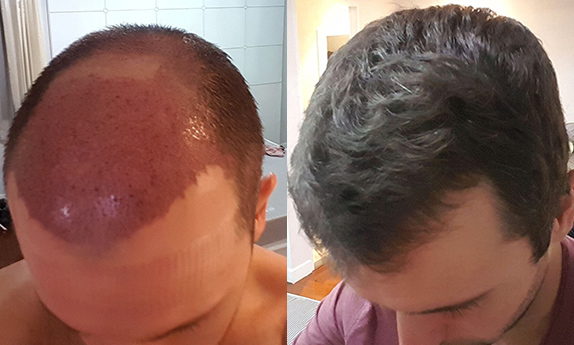
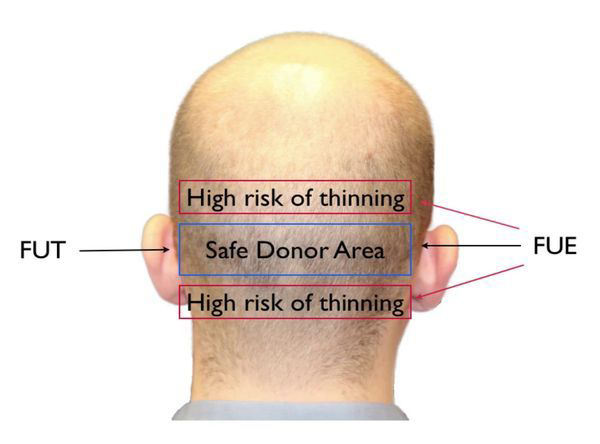
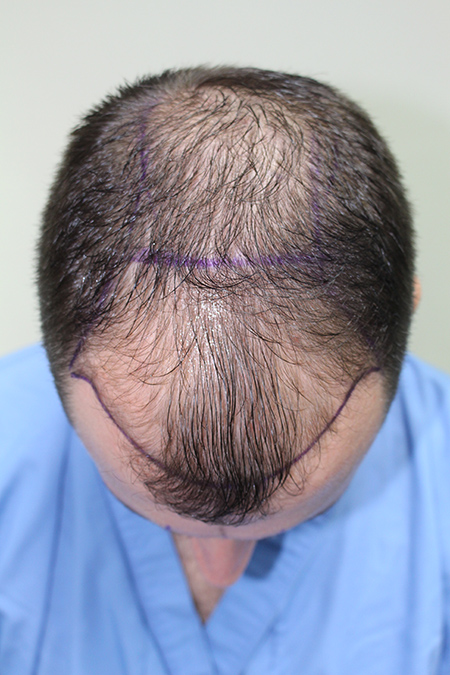
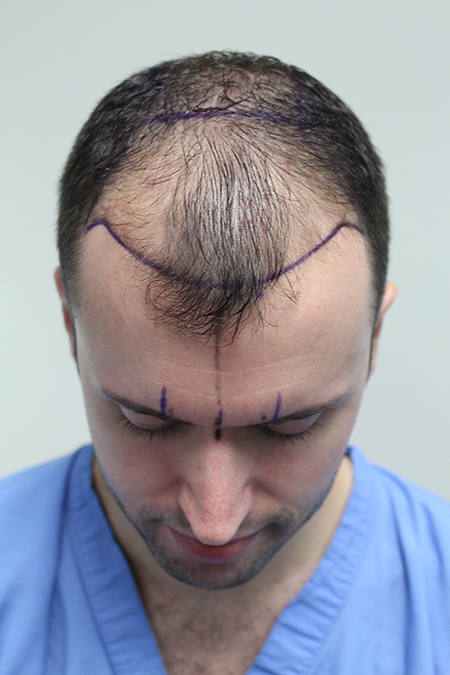
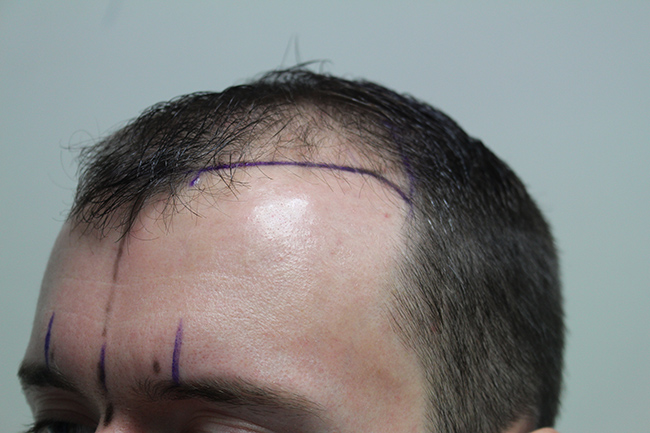
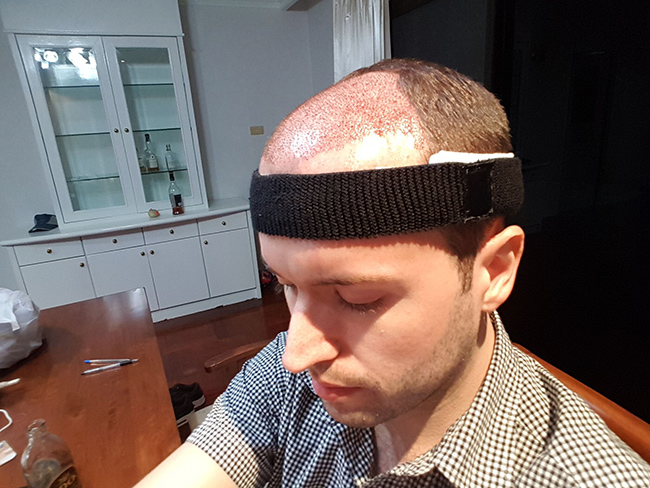
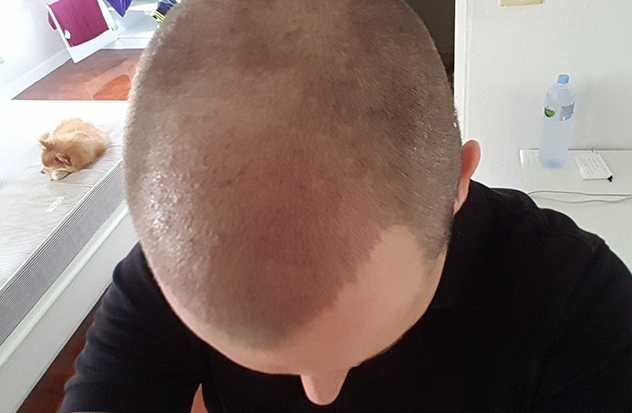
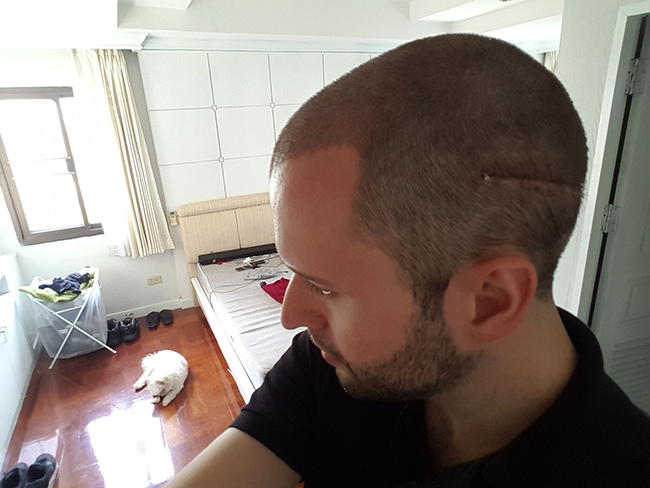
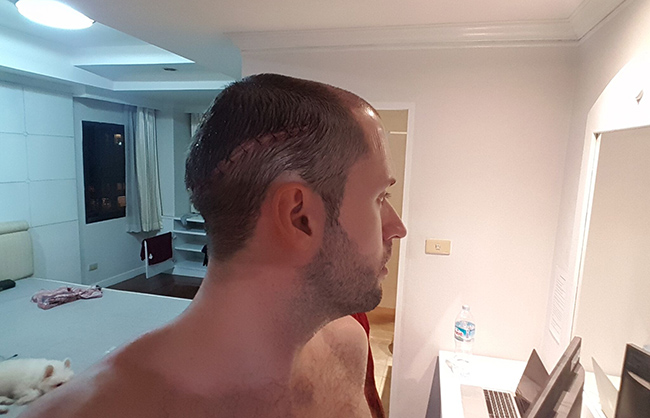
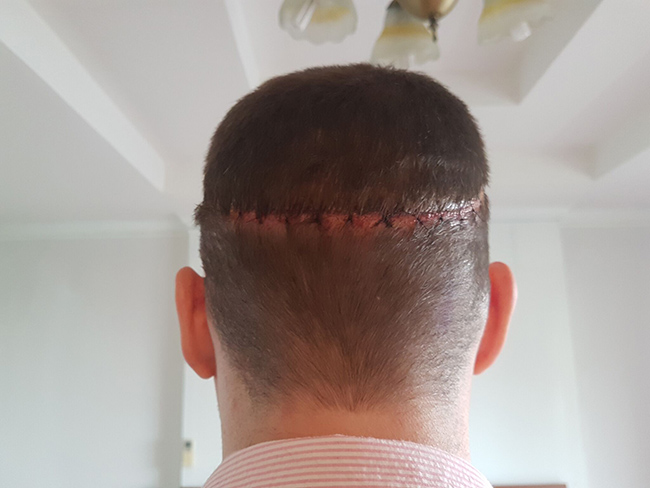
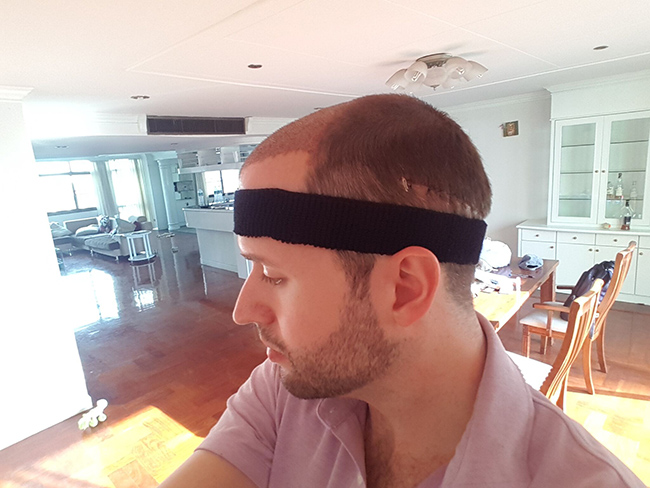
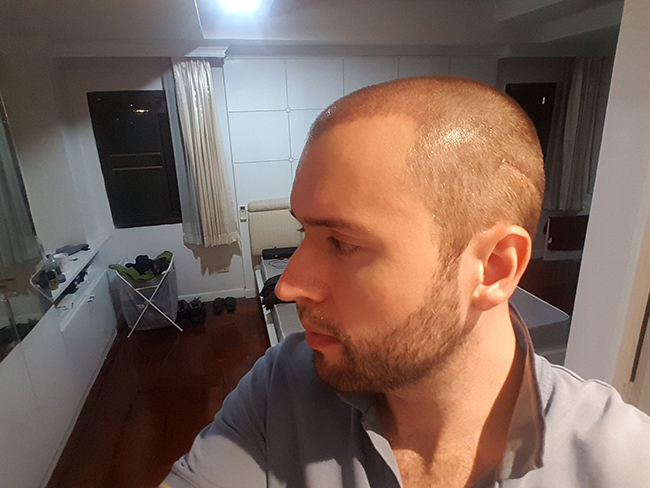
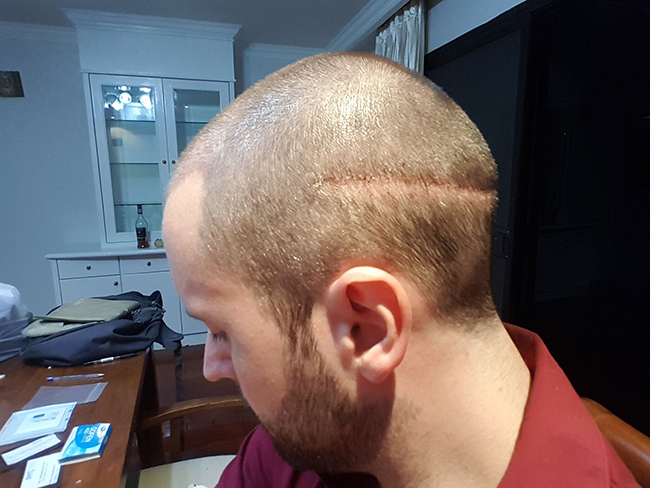
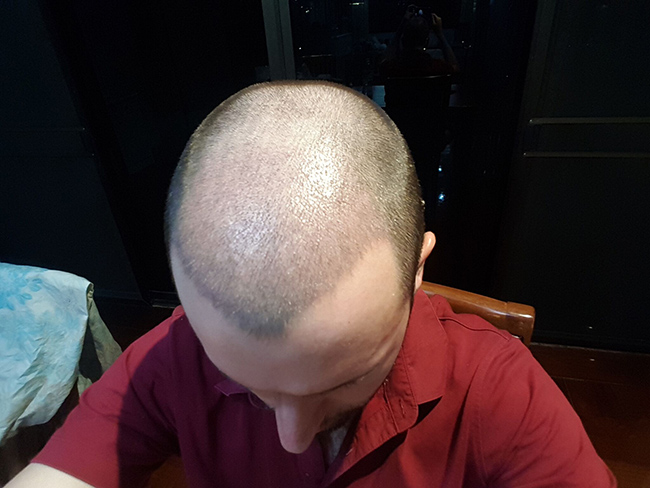
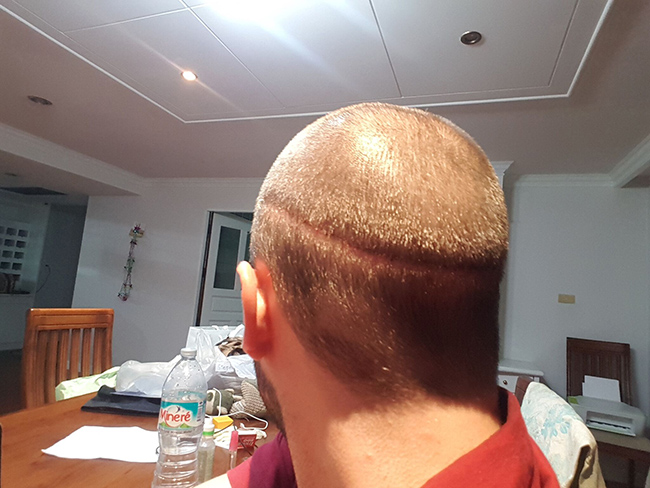
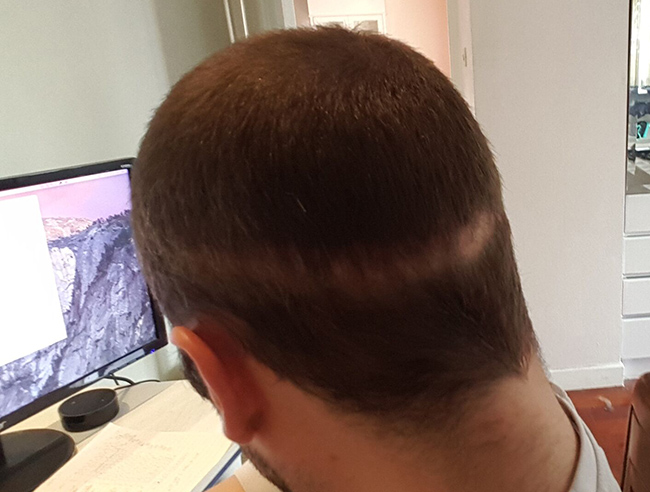
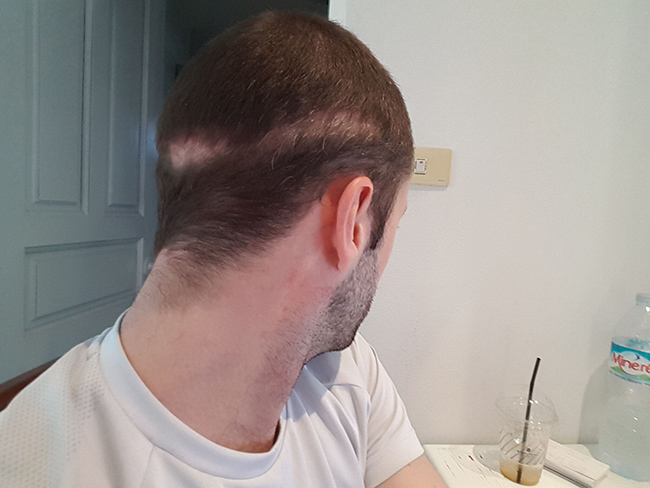
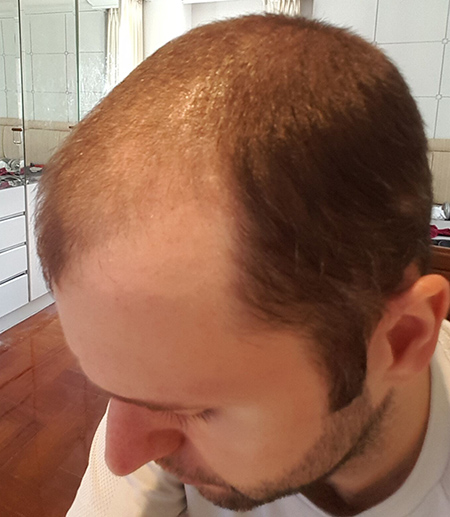
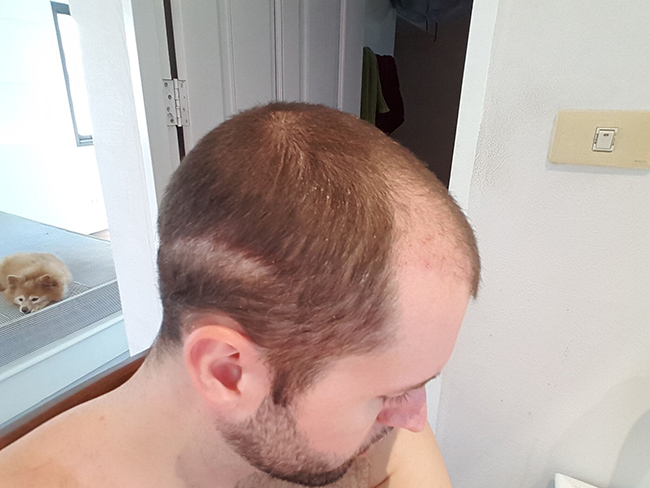
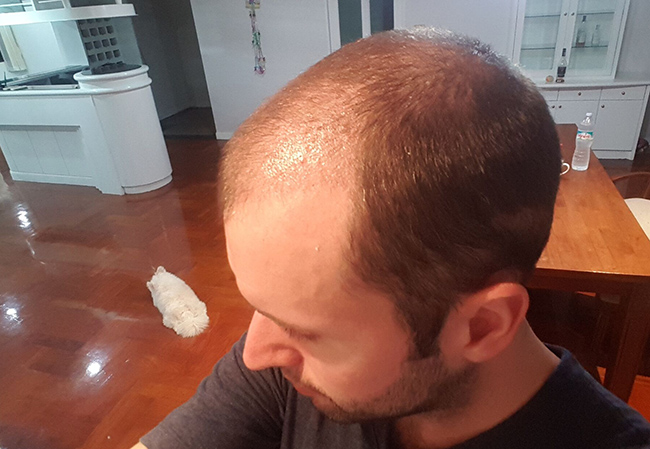
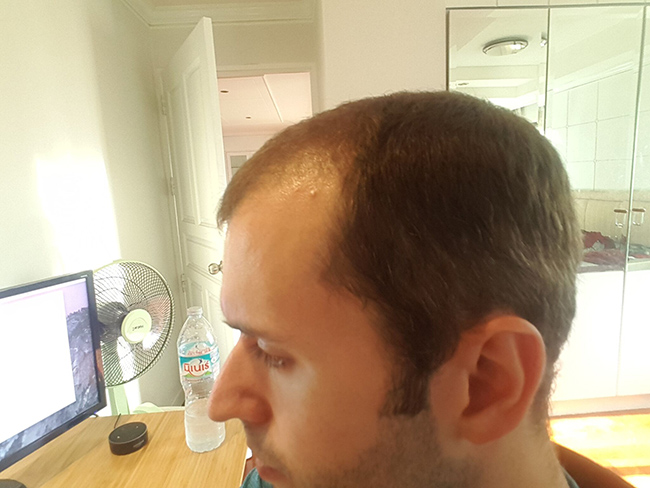
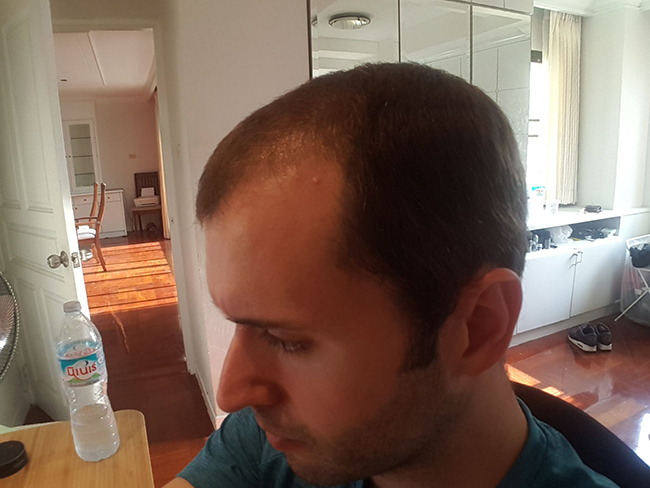
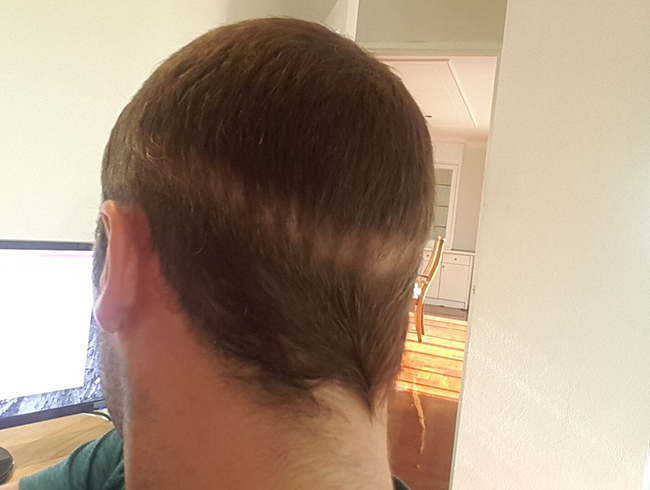
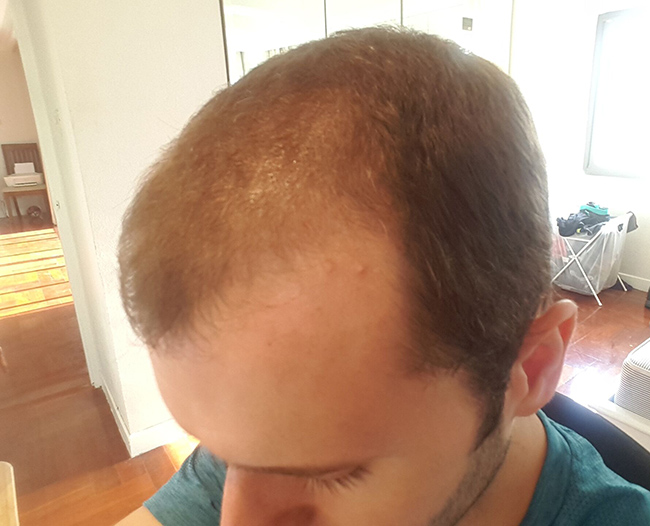
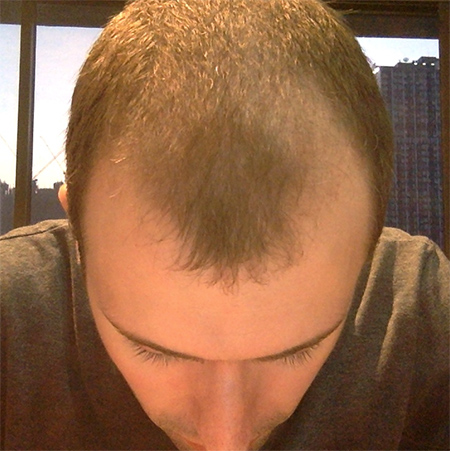
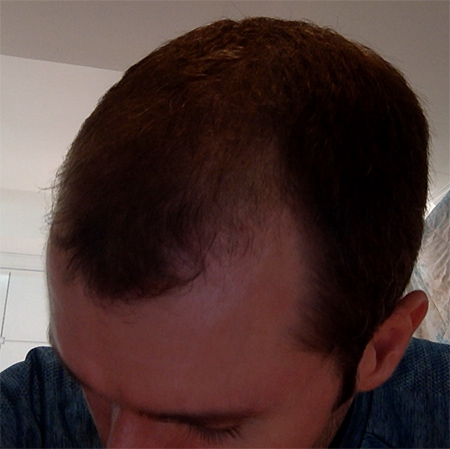
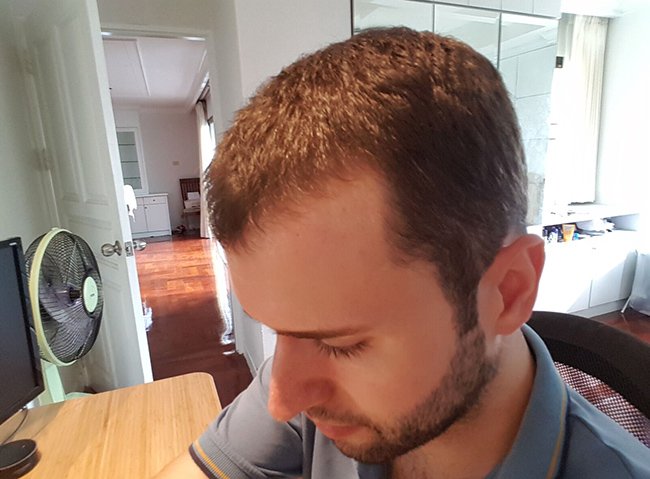
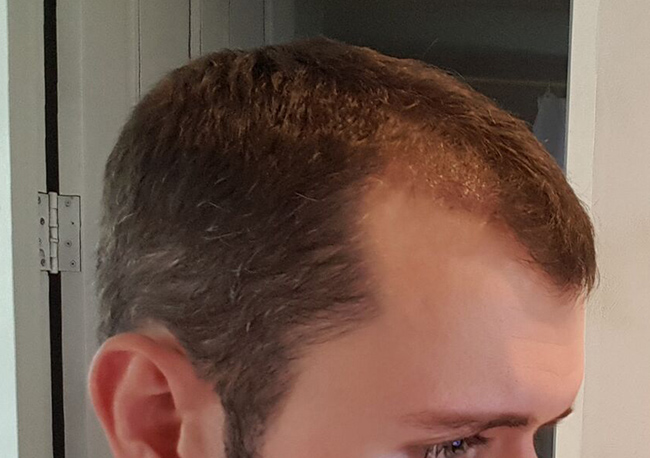
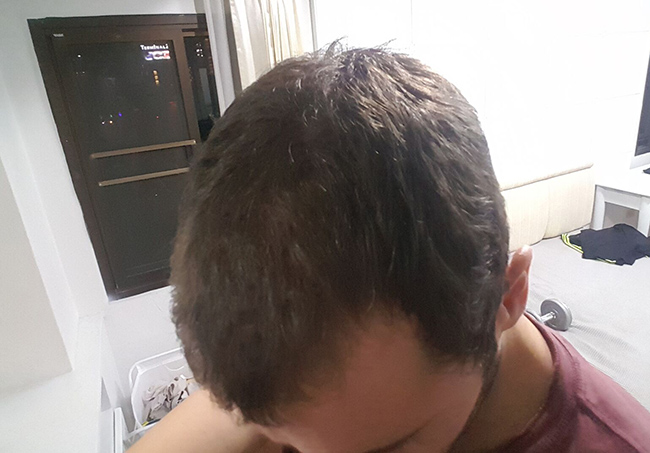
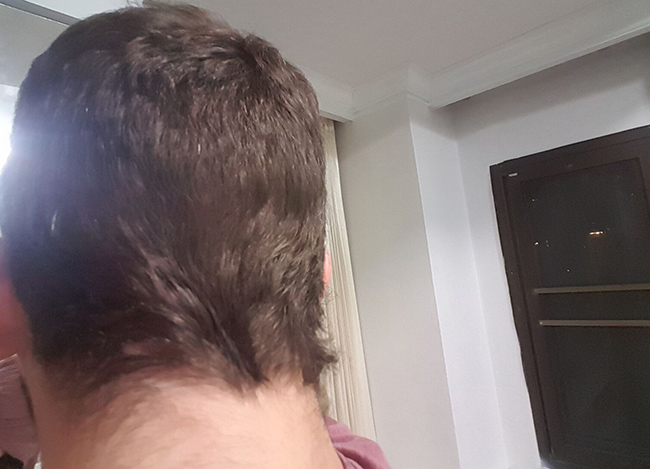
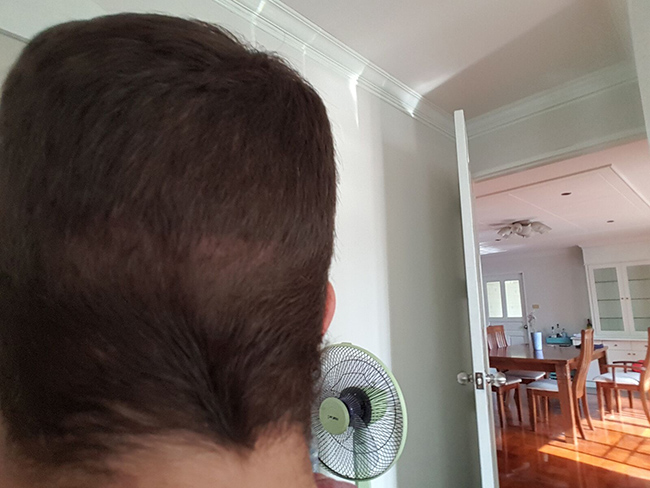
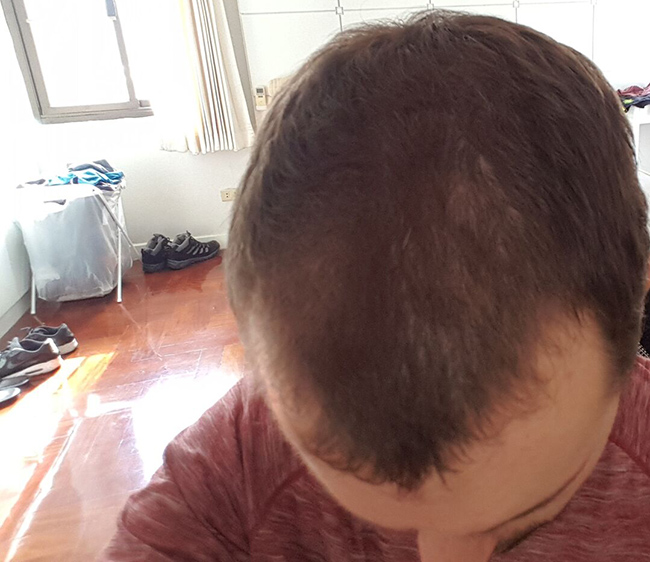
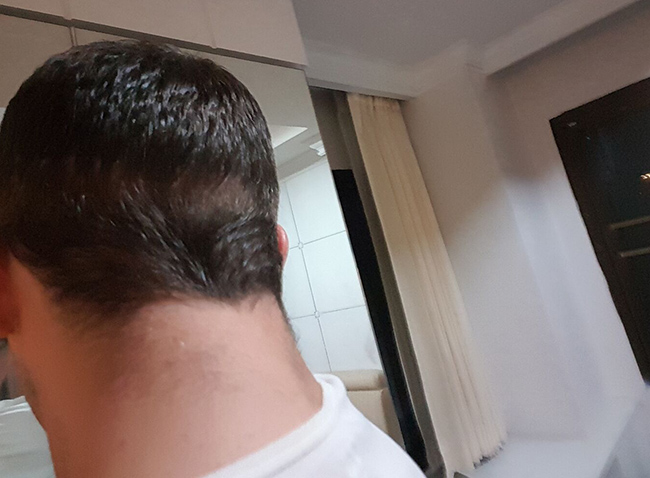
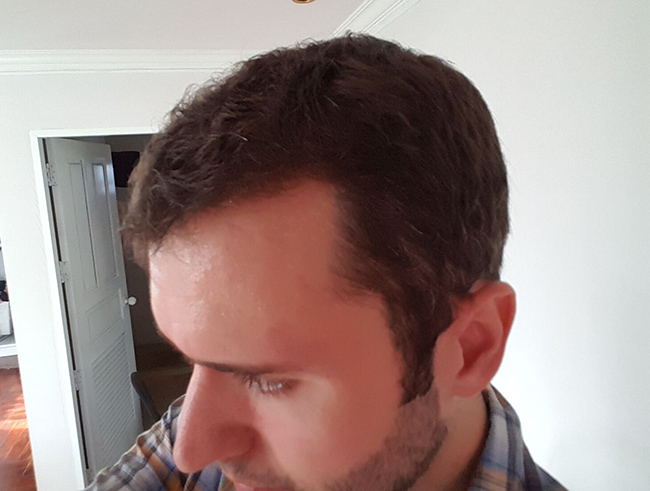
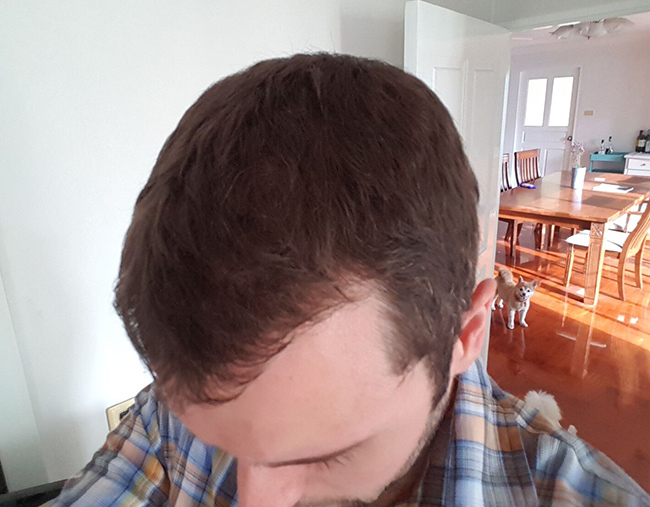
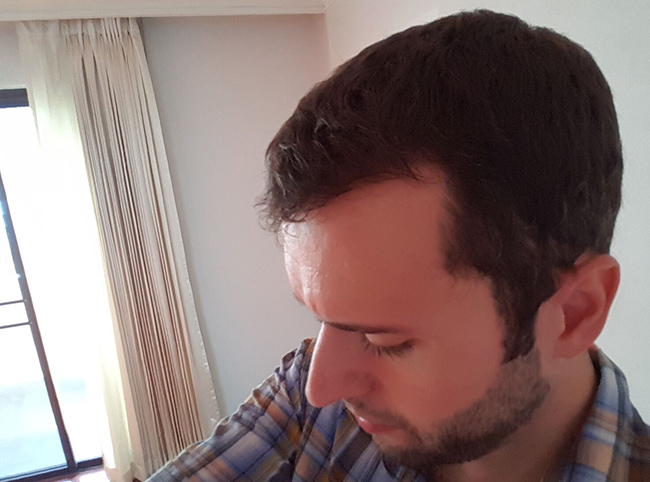
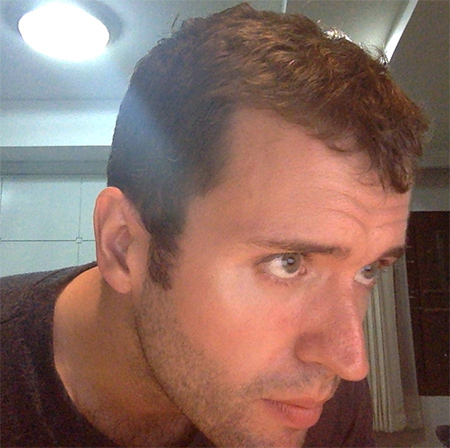
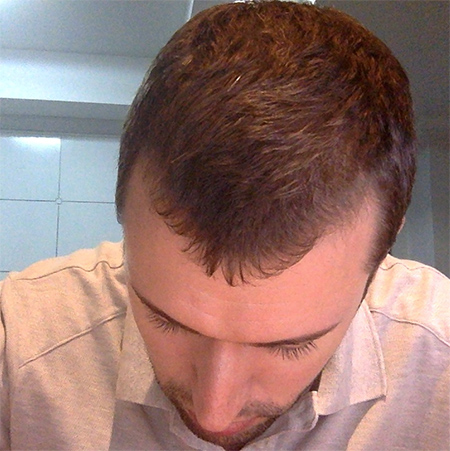
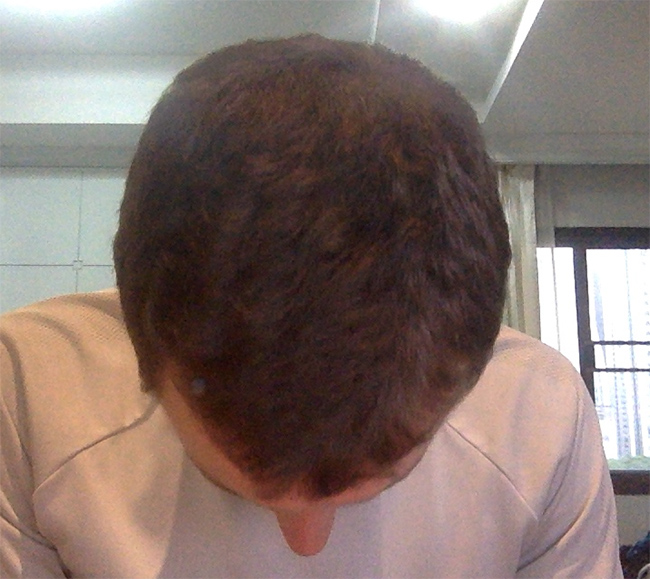
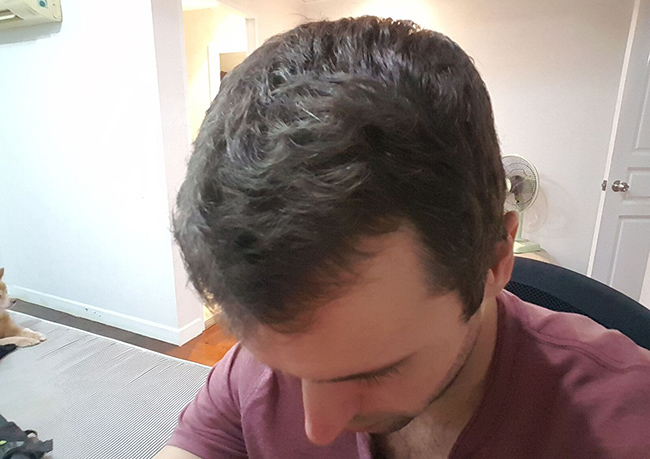
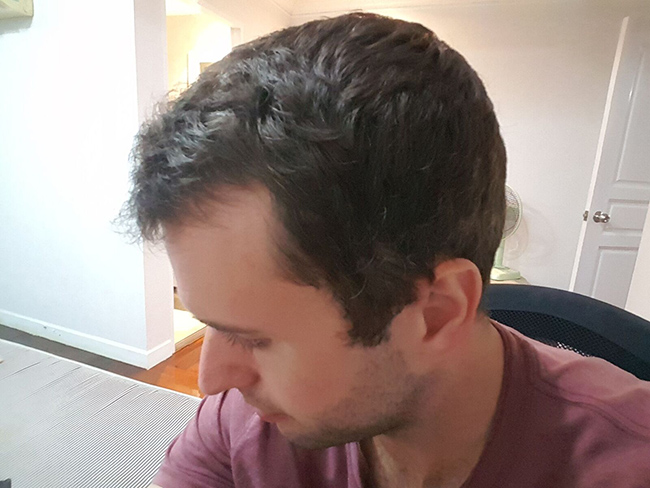
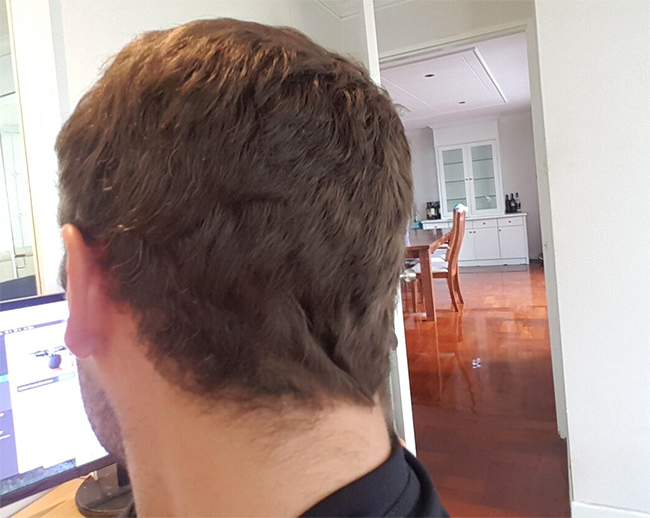
The first, and probably most important, was to get my surgically repaired hairline off the damn homepage.
I mean, if you’re going to abandon a blog, you probably don’t want your lasting legacy to be a graphic image from 24 hours after a hair transplant, right?
Fun fact: After 10 years writing about affiliate marketing, that one post (and the interest it received) lead to my entire site being re-categorised as a ‘Hair & Beauty Blog‘ by SEO tools.
My main organic competitor is a site called Hair Transplant Diary.
So, there’s that.
But no.
The main reason I wanted to post is because I’m currently shut off from the world in National Lockdown, with none of my usual hobbies available, and a burning itch to commit a lot of fucks and shits to WordPress.
If you read this blog several years ago and wondered what came next after affiliate marketing… the answer, will probably disappoint you.
But here it is anyway.
What I’ve Been Up To
First, the life changes.
When I last posted, it was August 3rd 2017.
I lived in Thailand and was recovering from my second vanity operation, the first being LASIK eye surgery in 2016.
I look back on those days through some seriously rose tinted glasses.
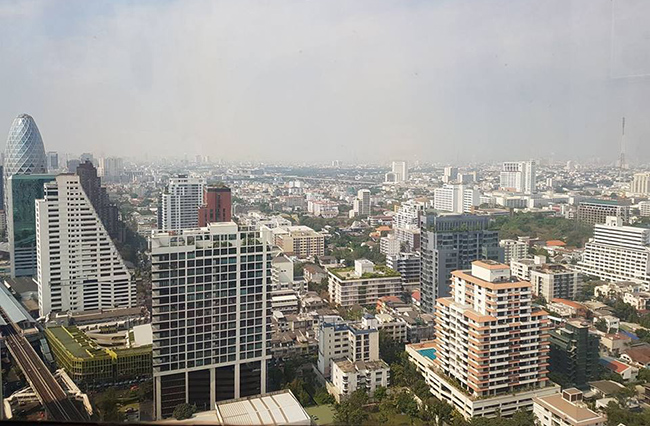
Not everything was perfect in Bangkok, but it was definitely the most exhilarating few years of my life.
If you haven’t had the chance to live abroad, my advice is simple: do it while you still can. I love my life now, but the energy of Bangkok completely transformed me.
It broke me out of the mundanity of British suburbia, shattering my comfort zone along the way.
It changed my entire perception of what a productive lifestyle looks like.
I met a lot of great people in Bangkok, from completely different walks of life.
The best way I can describe it is that in the UK I tend to gravitate towards people who share the same hobbies, the same interests.
We might not have much in common, but we like doing the same things.
In Bangkok, I found myself learning and growing from people who had lived completely different lives. You might not share hobbies, but you share the same spirit.
Living abroad there is a camaraderie amongst expats and a spirit of ‘go-getting’ that I just don’t see in the UK.
Here, life is comfortable.
It’s great and it’s fine, but it’s comfortable.
Getting Married
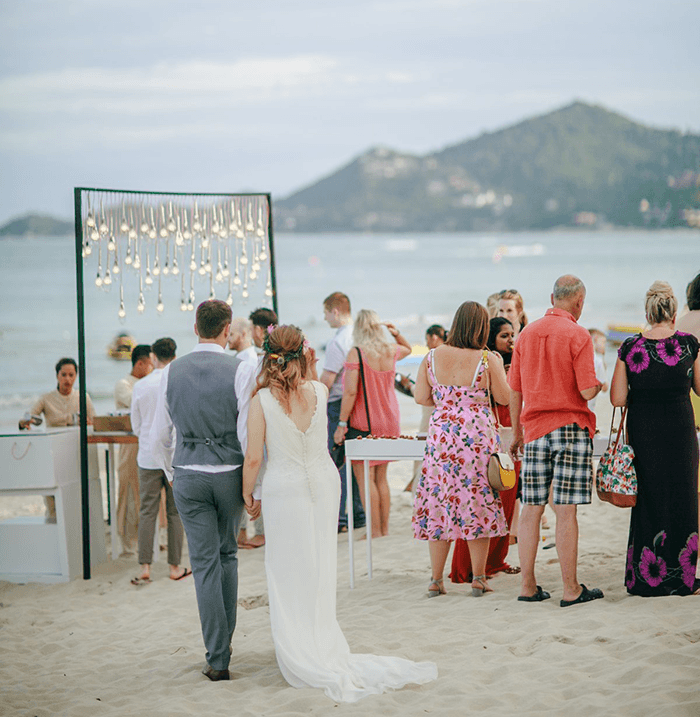
My three and a half years in Thailand culminated in getting married on the beach in Koh Samui.
We had close friends and family with us, many of them using the chance to explore South East Asia on their own holidays.
We took them on a sunset cruise the night before, and then celebrated our wedding on the beach with cocktails, wine and a couple of stray dogs.
Thailand Only, as they say.
It was a tough decision to get married in Thailand when so many of our loved ones wouldn’t be able to make the trip. But it was a chance for us to share the lifestyle that we loved.
I have glowing memories of Thailand, and this was the pinnacle.
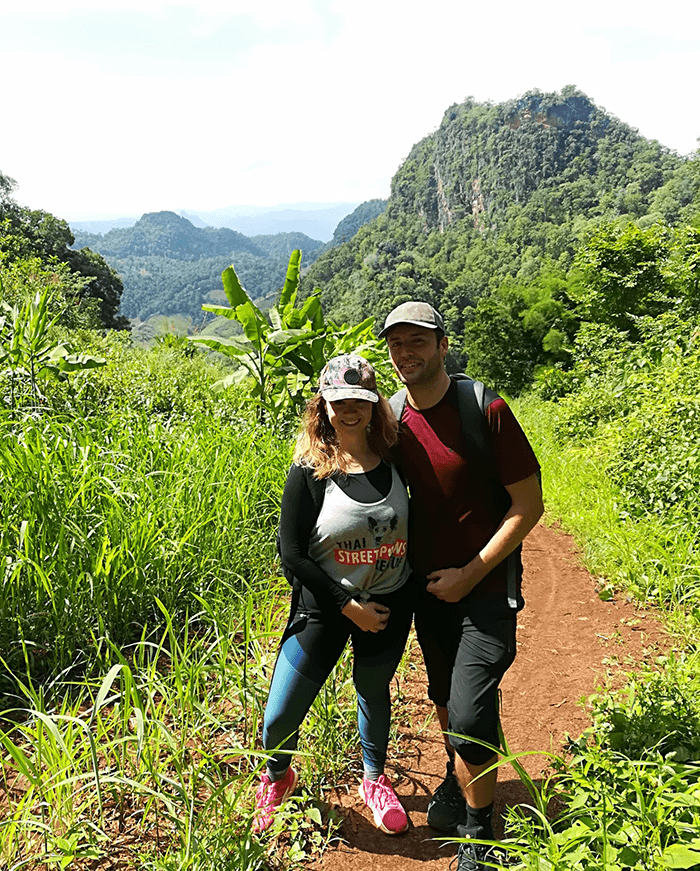
Just weeks before, my wife and I had taken a long trip across Thailand to the small town of Pai.
That experience trekking through the mountains was our last major ‘adventure’ before returning home.
We still talk about it after two sips of wine.
Moving Back to the UK
One month after the wedding, we moved back to the UK.
Neither of us felt particularly attached to a location, and our friends and family had scattered to various parts of the country.
So to decide where to move, we basically stuck a pin in a map.
We settled on Bucks as a good middle ground between two of our favourite places – London and Oxford.
Since settling in Bucks, we’ve bought a house and slowly begun to rebuild our social circles.
There’s no doubt that life is ‘easier’ in the UK.
Everybody speaks English, for one.
Sounds stupid – but you don’t appreciate the foundations of your own culture until you’ve been starved of it.
Becoming a Daddy
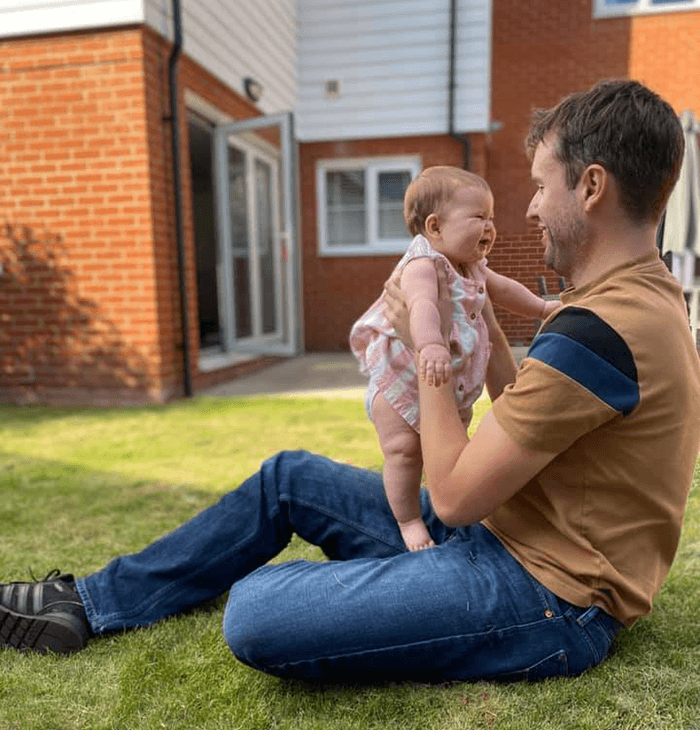
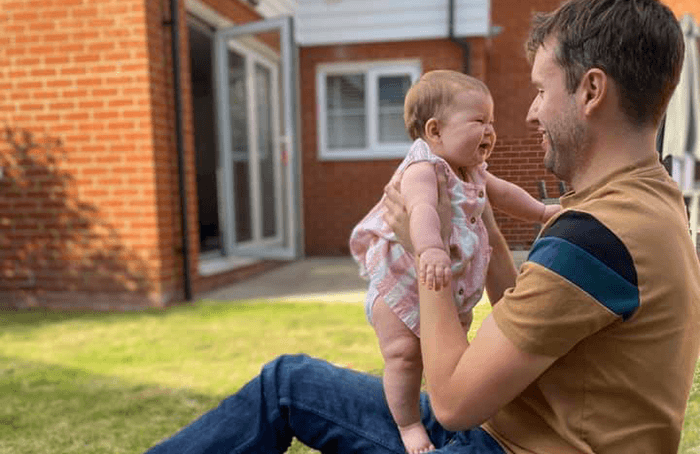
By far the biggest life change since I last posted.
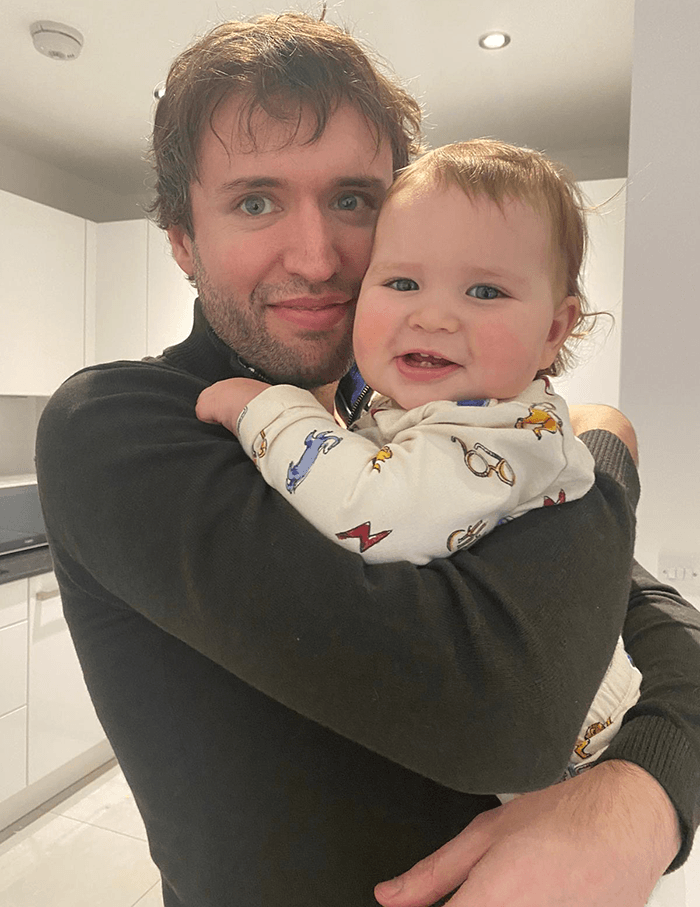
My daughter was born in December 2019 and has swept through my life with a ferocity that would make the new strain of covid blush.
Everything has changed.
I don’t want to bang on about the rites of passage of becoming a father, because it can sound offensive to those who don’t have (or want) kids.
Parents can all too easily develop a superiority complex where they think they know better, when they don’t.
But what I will say is that the process has changed me.
Getting to know her has rewired my entire reward circuitry.
There are times where I miss some of the ‘freedoms’ that came more easily before parenthood, but… not really.
They are two separate realities – and her world is the one I want to live in.
What I’ve Been Working On
Life may change, but the grind stays the same.
OK, the work stuff.
“4 years. What the hell have you been working on, Finch?”
Well, for some perspective…
This site started as an affiliate blog in the Wild West days of 2009.
Back then, blogging was the craze and the entire affiliate industry could be bundled in to a single Vegas exhibition hall.
Affiliate marketing has changed so emphatically that I don’t even feel qualified to talk about it anymore.
Blogging is dead.
All the popular affiliate bloggers of that era have gone on to other things: ecommerce, crypto, consulting, retirement… whatever.
There are certainly none of us left offering anything practical or actionable when it comes to the industry I remember.
There’s still a large contingent of guys using Facebook, AdWords or Native Ads, but I’m so divorced from the process that I couldn’t tell you what the hell they’re actually running, except that it’s probably not what those traffic sources imagined when they drafted the Terms of Service.
Even before I quit blogging, I made those concerns clear.
Crash and Burn Marketing
The affiliate ad campaigns I used to run offered immediate returns, but required almost constant upkeep.
Launching ads on Monday, checking stats on Tuesday, getting them profitable by Wednesday, and then putting out fires for the rest of the week.
That was life.
It was a high risk, high return business model that worked brilliantly for several years… but like everybody else, I saw the writing on the wall.
On numerous occasions my campaigns would go from earning thousands per day to losing thousands. As the years went by, the cycle became shorter and more pronounced.
Most of the time, success resembled a familiar pattern: BOOM, followed by a slow pitter patter of eroding profit.
And the BOOM was on a lucky day.
You could launch a winning campaign and the future would look bright. At times, very rosey indeed.
But I could never get over the fact that we were still just affiliates – expendable ’traffic experts’ with a short term interest in driving sales for somebody else’s business.
Once the genie was out of the bottle – the marketing sizzle – anybody could replicate the success. And that’s what happened.
We quickly learned the dangers of an indefensible moat.
As the industry got more competitive, and mainstream advertisers caught up, the space became harder and harder to navigate without resorting to… the dark arts.
Cloaking, bait and switch, burner accounts…
That’s not to say those tactics weren’t commonplace from the very start, but they became unfair competitive advantages. And in many cases… necessary.
If you weren’t prepared to use them, you had no chance of keeping up.
We don’t need a recap of the shit that went on, and still goes on, but I was left with no doubt that the walls were closing for ‘white hat’ affiliates – or at least, those who weren’t prepared to operate at exceptional economies of scale.
At which point, my theory was – what’s the point?
Might as well change business model completely than pursue one which comes with all the complexity of selling your own products but without any of the actual ownership.
Anybody who read my last affiliate guide back in 2017 would have sensed the self-loathing dripping from every page.
It was called ‘A Complete Guide to Affiliate Marketing’ but it might as well have been titled ‘Things I Hate About My Job’.
I knew back then that the industry was evolving – for the greater good – and if I wanted to sustain a lifestyle business, I needed to build some competitive advantages that weren’t going to be outbid in the night.
So that’s what I’ve been doing.
For about 4 years now.
Replacing Arbitrage with Asset Building
I still work in affiliate marketing, but I’ve stepped away from paid advertising arbitrage.
Since I stopped blogging, and since I left the arbitrage game, I’ve enjoyed probably the most productive stint of my career.
And it all boils down to the fundamentals of building assets – instead of crashing and burning from one affiliate offer to the next.
My job these days revolves around publishing and monetisation.
Building websites, flipping websites and investing in predictable income streams.
Whereas my 21 year old self was ravenous for instant profits, instant wins, instant success… the work I do these days is much more gradual, strategic and – as you can probably guess – less worthy of blogging about.
I have dozens upon dozens of websites in my portfolio.
Some are very profitable, others are ticking along nicely, and there’s a good handful that stand as virtual testaments to how wrong a man armed with a GoDaddy account can be.
About 80% of the projects I’ve worked on over the years are abandoned.
Ghost ships. Digital fossils.
I laugh when I look at them today.
But you only have to win 1% of the time to be ‘successful’, just as long as you are prolific, and scale the shit out of the successes you have.
Whatever the case, I am much more invested in the process of building out these assets.
Every day that I spend working on them feels like a step in the right direction. I can set clear goals for the week, month and quarter that don’t start:
“1) Deal with…”
Working in high stakes arbitrage clouded my judgment in ways that I never really appreciated at the time.
Most importantly, it obscured my underlying goal – to build a business that works for my lifestyle.
Instead of a lifestyle that works for my business.
In that sense, things have been going great.
There’s just one problem…
You know?
The problem.
Some fucker ate a bat sandwich.
Working Through The Pandemic
No shit: Coronavirus has been hard for us all.
Years ago I used to brag to friends about the idle joys of working from home.
No commute, no crowded trains, no early morning rise. Oh, such paradise.
What’s not to love?
OK, I take it all back.
You win, office rats.
The last year has been mentally tough.
As a Brit writing this in national lockdown for the foreseeable future, I’m definitely reaching peak pandemic fatigue.
There’s this misplaced idea that those of us who are used to working from home should be the best prepared for a situation that demands it.
Maybe, but anybody who works from home with their faculties in tact knows the importance of establishing routines and rituals to break up the monotony.
For me, a good work day involves: a few hours sifting through whatever tasks I’ve mapped out, an hour smacking balls around the snooker hall, and a bit of light reading over a Flat White in Caffe Nero.
A healthy mix of work, mental detox and coffee beans.
Despite being objectively dog shit at the game, snooker is my number one mental escape.
It’s one of the few activities that is so mentally taxing that I can’t possibly think about work or my inbox while I’m playing it.
With the snooker clubs closed, and coffee shops operating as delivery-only, I’ve resorted to a sad daily march to the Costa Express machine at my local Tesco.
If I’m lucky, I might talk to a stray cat on the way.
“Y’alright mate? S’shit innit. Everything. Least you don’t have to wear these fucking masks…”
“Anyway, catch ya tomorrow. Same time, yeah?”
There are a few things I’ve learned about myself in the midst of the Pandemic:
- I’m a lot more socially needy than I thought.
One of the perils of a reclusive career (working online) is that you have to self-regulate your social life. I’ve done this several times in the past when I’ve felt myself slipping too far on the introverted scale.
Like when I suddenly took up cricket in Bangkok.
Those were some good days.
All of my social activities revolve around sports.
Or beer… but we’ll say mostly sports.
With sports banned, my social life has been detonated.
Unlike my wife who makes a big effort to Zoom her friends and family, video chats are not a natural environment for me.
I’d rather launch my PS4 controller at a virtual stranger on Fifa Weekend League than face the weirdness of calculating when it’s my turn to say something on a video call.
I suppose this is how you end up talking to stray cats.
- Willpower is finite.
Without my usual options for burning off steam, I’m much more reliant on vices to get me through the week.
Caffeine, alcohol, Deliveroo takeaways…
You name it.
It’s probably in my face.
I tip my hat to anybody who is successfully navigating Dry January.
You must be truly fucking insane.
My wife and I joke from Sunday onwards: “Are you looking forward to the big day?”
We’re talking about Saturday.
Saturday has become code for ‘Scheduled Date Night’ with at least two bottles of wine and a lot of brave talk of “…one day going on holiday again”.
- I’m too eager to wish away time.
On numerous occasions I’ve found myself wishing away time.
- “Wake me up in March when this shit is over.”
- “Looking forward to getting Christmas done because it’s a step closer to the vaccines being here.”
- “Don’t worry, the weeks will start to go quicker in January.”
I try to catch myself, because… is there a worse habit?
I can’t think of one.
My daughter turned 1 last month.
When I look back on the year, it seems criminal to have ever wished any of those weeks away.
Those precious moments with her are worth more – much more – in the here and now, than a teleport to a covid-free future where I’ll probably be just as grumpy but a little bit older.
(Does it count if my blog sidebar still thinks I’m 29?)
Ultimately, we’re all faced with the same dilemma.
How to make the most of a time that is… less than optimal.
I don’t really know whether blabbering in to this abandoned corner of the web qualifies as time well spent, but that appears to be what has just happened here.
Happy Covid Times, everybody.
See you in the next pandemic.





Hey all - cheers for the feedback. I'm flattered that so many of you bothered to actually click through to…